Llama Embroidery Design Review for Personalized Gifts
As an embroidery designer who has spent years refining digital patterns for small businesses and home crafters, I approach every new machine embroidery design with a critical eye. It is not just about whether the image looks cute on a screen; it is about how those stitches translate into a tangible, high-quality handmade product. Recently, I had the opportunity to test the Llama design from the Baby Animals category. My goal was to determine if this specific pattern could hold up in a professional personalized gift shop environment, where customer expectations for durability and aesthetic appeal are incredibly high.
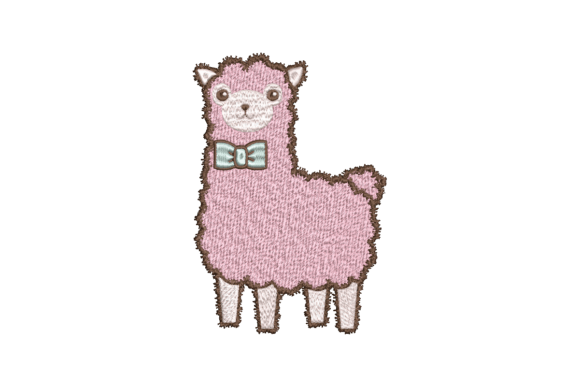
The first impression of the Llama design is one of approachable charm. It strikes a delicate balance between playful and elegant, making it versatile enough for various demographics. For baby product creators, the soft curves and friendly expression evoke a sense of warmth and safety, which is essential for nursery items. However, it does not feel exclusively juvenile. The clean lines and thoughtful composition allow it to work beautifully on adult accessories, such as tote bags or kitchen linens, appealing to customers who appreciate whimsical yet sophisticated decor. This dual appeal is rare and valuable for an Etsy seller looking to maximize their product range without purchasing dozens of niche-specific files.
Visual Appeal and Emotional Connection in Custom Embroidery
When considering a personalized gift, the emotional connection is paramount. The Llama design excels here because it feels inherently handmade and heartfelt. In my review, I noted that the design avoids overly complex shading that can often look muddy when stitched out on textured fabrics. Instead, it relies on solid fills and clean satin stitches that pop against the background. This clarity ensures that the subject remains recognizable and engaging, even from a distance.
For wedding gift designers, this design offers a unique angle. While llamas are not traditional wedding motifs, their association with loyalty and gentle nature makes them a sweet, modern choice for couples who value uniqueness. Imagine a pillow cover or a framed hoop art piece featuring the llama alongside the couple’s initials. It moves away from cliché romantic imagery and offers something memorable. For baby showers, the design is a natural fit. A blanket embroidery featuring this character becomes an instant heirloom, capturing the innocence of early childhood in a way that parents cherish.
Practical Applications for Small Shop Products
One of the strongest aspects of this digital embroidery file is its adaptability across different product types. During my testing phase, I visualized the design on several common items found in successful small shops. Here is how I see it performing:
- Embroidered Towels: The design’s bold outlines ensure it remains visible on terry cloth, provided the stitch density is appropriate for the looped texture.
- Tote Bags: On canvas or cotton totes, the llama serves as a charming focal point. It appeals to eco-conscious buyers who want reusable bags with personality.
- Nursery Decor: Whether stitched onto a wall hanging or a cushion, the soft aesthetic complements pastel color palettes commonly used in baby rooms.
- Aprons: For the culinary enthusiast, a llama-themed apron adds a touch of humor and warmth to the kitchen, making it a fantastic housewarming gift.
Each of these applications requires careful consideration of the fabric texture and the final placement of the design. The Llama design is robust enough to handle these variations, but success depends on the maker’s preparation.
Technical Considerations for Professional Results
While the visual appeal is strong, the technical execution is where many designs fail. The product description wisely notes that any alteration on the files may affect the output. This is a crucial reminder for experienced stitchers. Resizing a design beyond its intended parameters can distort stitch angles and cause thread breaks. Furthermore, the instruction to always run a sample of the files on the test fabric before stitching on the final product is non-negotiable for professional results.
When working with the Llama design, pay close attention to the following technical factors:
- Stabilizer Selection: For stretchy baby clothes, a cut-away stabilizer is essential to prevent puckering. For woven towels, a tear-away might suffice, but testing is key.
- Thread Colors: Contrast is vital. On dark fabrics, ensure you use light-colored threads for the main body of the llama, or consider adding a white underlay or border to make the design pop.
- Hoop Size: Confirm that your hoop size accommodates the design dimensions comfortably. Crowding the edges of the hoop can lead to uneven tension and distorted shapes.
- Stitch Density: Review the density settings. If the design feels too stiff on lightweight fabric, you may need to adjust your tension or choose a lighter weight stabilizer, but never alter the file itself unless you are an advanced digitizer.
It is also important to check small details after stitching. Fine features, such as the eyes or facial expressions, must be crisp. If they appear blobby, it may indicate a need for sharper needles or higher quality thread. Additionally, for products that need frequent washing, such as baby blankets or kitchen towels, ensure that the thread colors are colorfast and that the stitching is secure to withstand laundering.
Enhancing Giftability and Perceived Value
In the world of online sales, particularly for an Etsy seller, perceived value drives conversions. A well-executed Llama embroidery elevates a simple item into a cherished keepsake. When customers see a cleanly stitched, professionally finished design, their trust in the brand increases. This design contributes to that perception by offering a polished look that does not appear amateurish.
To maximize this effect, consider how you present the finished product in your photography. Use a printable mockup to visualize the design on different backgrounds before stitching, but always follow up with real-life photos. Show the texture of the stitches. Highlight the contrast between the thread and the fabric. These details reassure buyers of the quality they are receiving. For custom order previews, having a reliable design like this allows you to quickly generate examples for clients, speeding up the sales process.
Final Thoughts on Commercial Embroidery Use
Before integrating the Llama design into your inventory, confirm commercial licensing terms. Most digital designers offer specific licenses for physical product sales, but it is your responsibility to verify this before listing items for sale. Assuming the license permits commercial use, this design is a strong candidate for expanding your small shop product line.
In conclusion, the Llama design from the Baby Animals category is a versatile and emotionally resonant addition to any embroiderer’s library. It bridges the gap between childish whimsy and adult appreciation for handmade quality. By respecting the technical guidelines—testing on scrap fabric, choosing the right stabilizer, and avoiding unauthorized file alterations—you can produce stunning custom embroidery pieces that delight customers. Whether used for a wedding gift, a baby shower present, or a quirky kitchen accessory, this design has the potential to become a bestseller in your shop. Embrace the charm of the llama, respect the craft, and watch your personalized gifts bring joy to recipients.