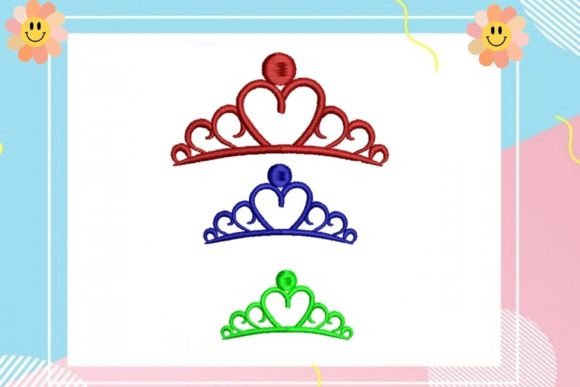
Cute Queen Crown: A Designer’s Real-World Review
As an embroidery designer who has spent years digitizing patterns and testing them on everything from delicate silk to heavy denim, I approach every new machine embroidery design with a critical eye. It is not enough for a pattern to look good on a screen; it must hold up under the needle, survive the wash cycle, and appeal to the end customer. Recently, I evaluated Cute Queen Crown, a design that promises to bring a sweet and modern aesthetic to various fabric projects. After putting it through its paces in my studio, I am ready to share my practical insights for fellow crafters, Etsy sellers, and handmade shop owners.
First Impressions: Mood and Visual Personality
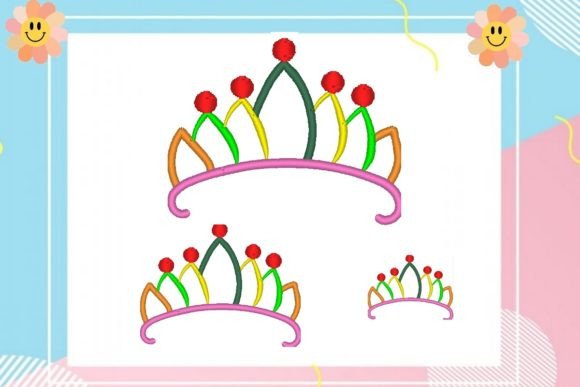
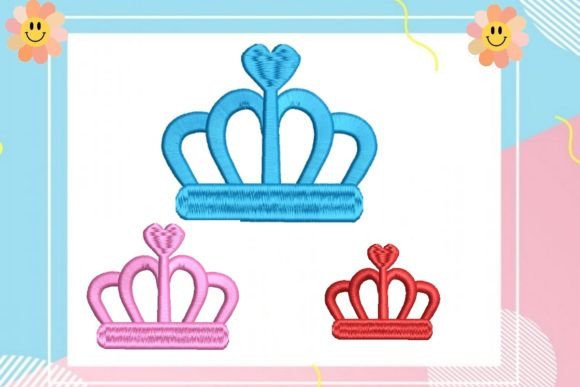
The first thing that strikes you about Cute Queen Crown is its balanced approach to whimsy and structure. Many crown designs lean too heavily into regal complexity, resulting in dense stitch counts that can puckering lightweight fabrics. Others are so simplified they lose their charm. This design finds a middle ground. The lines are clean, suggesting a modern sensibility that fits well within current trends in nursery decor and boutique apparel. The shape is recognizable immediately, which is crucial for quick visual communication in retail settings.
The layout feels open and airy, avoiding the trap of excessive fill stitch density that often makes small designs look like solid blobs of thread from a distance. Instead, it appears to utilize a mix of satin stitch borders and strategic internal detailing. This choice not only reduces bulk but also enhances the "cute" factor by keeping the silhouette soft rather than rigid. For accessories and personalized gifts, this visual lightness is a significant advantage.
Real-World Application: From Mockup to Finished Product
To truly understand the value of an embroidery file, you must visualize it in context. I imagined using Cute Queen Crown for a custom order: a set of organic cotton tote bags for a local baby boutique. The goal was to create a handmade product that felt premium yet playful. When I placed the design digitally on a mockup of a natural canvas tote, the contrast was immediate and pleasing. The crown acted as a focal point without overwhelming the bag’s surface area.
I also considered its application in custom apparel, specifically a children’s sweatshirt. Here, the design’s scalability becomes key. On a chest pocket or the left breast area, the details remain crisp. However, when scaled up for a back print, I noticed that the spacing between elements needs to be monitored to ensure the stitch density does not become too sparse, which can look unfinished. For sweatshirt embroidery, this design works beautifully because the thicker fabric supports the stitches well, preventing the common issue of the design sinking into the fleece.
Another viable avenue is the embroidered patch. Patches are incredibly popular among small shop product lines because they allow customers to add personality to existing garments. Cute Queen Crown has a self-contained shape that lends itself perfectly to a merrowed edge or a simple satin border. This versatility makes it a strong candidate for design assets intended for commercial use, provided the licensing allows for such applications.
Technical Considerations and Fabric Compatibility
While the aesthetic is strong, technical execution determines whether a project succeeds or fails. One area where I advise caution is fabric selection. Because the design aims for a "sweet and modern" look, it will likely be used on softer materials. If you are stitching on thin or stretchy fabric, such as jersey knits for baby embroidery projects, using the correct stabilizer is non-negotiable. A cut-away stabilizer is often safer for garments that will be washed frequently, ensuring the design does not distort over time.
Textured fabrics present another challenge. If you are working with terry cloth towels for holiday embroidery gifts, the tiny details of the crown might get lost in the pile. In such cases, I recommend using a topping or choosing a version of the design with slightly bolder lines if available. For dark fabrics, thread color contrast is vital. A pastel thread on black denim may lack visibility, so testing your thread colors on scrap fabric before committing to the final piece is a best practice I always follow.
Curved surfaces, such as caps, require careful hooping. The symmetry of the crown means any misalignment will be obvious. If you are attempting cap embroidery, ensure your design is centered precisely. The hoop size must accommodate the entire design with enough margin for secure clamping. Always check the specific dimensions of the Cute Queen Crown file against your machine’s capabilities before starting.
Enhancing Brand Value and Customer Trust
For craft business owners, the choice of design directly impacts brand perception. A sloppy or overly complex design can make a product look amateurish. Cute Queen Crown, with its clean lines and balanced proportions, contributes to a professional finish. This professionalism builds customer trust. When a buyer sees a crisp, well-stitched crown on a personalized gift, they perceive higher value. This perception can justify a higher price point and encourage repeat business.
Moreover, the versatility of the design allows for consistent branding across different products. You can use the same crown motif on tote bags, pillows, and apparel, creating a cohesive collection. This consistency is key for Etsy sellers looking to establish a recognizable shop identity. The design’s modern appeal also makes it suitable for printable mockups, helping you market your digital embroidery file or finished goods effectively online.
Practical Designer Notes for Best Results
Before you begin your next embroidery project with Cute Queen Crown, consider these practical steps:
- Test on Scrap Fabric: Always stitch out a test sample on the same type of fabric you plan to use for the final product. This reveals any tension issues or registration errors.
- Check Thread Contrast: View your design in black and white to ensure the details stand out regardless of color choices. High contrast improves readability.
- Verify Licensing: If you plan to sell items made with this design, confirm the license terms. Some commercial embroidery licenses require attribution or have limits on production volume.
- Inspect Small Details: Zoom in on the digital file to check for tiny elements that might break during stitching. If necessary, simplify or remove fragile connections.
- Use Proper Stabilizer: Match your stabilizer to your fabric. Water-soluble toppings can help on textured materials, while cut-away stabilizers provide long-term support for wearables.
In conclusion, Cute Queen Crown is a thoughtful addition to any designer’s library. It balances aesthetic appeal with technical practicality, making it suitable for a wide range of applications from tote bag design to boutique merchandise. By paying attention to fabric choice, stabilization, and stitch quality, you can leverage this design to create high-quality, marketable products that resonate with customers. Whether you are a hobbyist making gifts or a professional scaling a small shop product line, this design offers the reliability and charm needed for successful Embroidery work.