Frozen Pop Dessert Miniature: A Designer’s Review
As an embroidery designer who spends more time staring at stitch maps than actual fabric, I have developed a keen eye for what translates well from screen to hoop. When I first loaded the Frozen Pop Dessert Miniature into my digitizing software, I was not looking for complexity. I was looking for charm, clarity, and commercial viability. In the world of small-scale machine embroidery design, these three elements are often harder to balance than they appear. This particular embroidery file caught my attention because it taps into a nostalgic, summery aesthetic that performs exceptionally well in current market trends.
First Impressions and Visual Personality
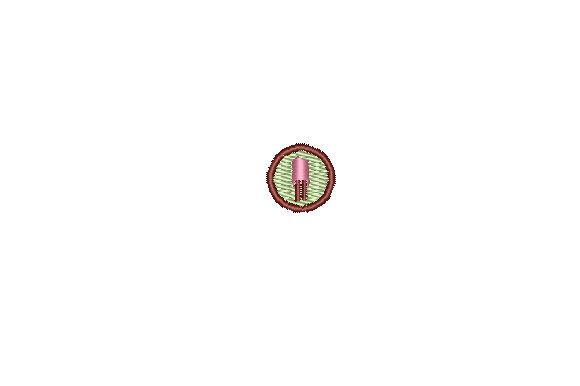
The design features a pink frozen pop with double sticks, surrounded by a satisfying, playful layout. My immediate observation was the simplicity of the shape. In embroidery, simple shapes often yield the cleanest results, provided the digitizing is sharp. The double-stick detail adds a layer of whimsy that separates it from generic ice cream motifs. It feels intentional and cute without being overly childish, which broadens its appeal beyond just nursery decor.
The color palette suggested by the description—primarily pink—offers high visibility against most neutral fabrics. However, as a reviewer, I always look past the default colors. The true test of a versatile digital embroidery file is how it holds up when you swap thread colors. I mentally simulated this design in mint green, lavender, and even a classic red-white-and-blue combination for patriotic holidays. The structural integrity of the popsicle shape suggests it would handle these variations gracefully, making it a flexible asset for any craft business inventory.
Real-World Application: The Tote Bag Test
To evaluate practical utility, I imagined preparing a custom order for a local boutique. The client wanted a series of canvas tote bag design options for summer shoppers. Large, dense designs often warp lightweight canvas or require excessive stabilizer, but a miniature motif like this sits perfectly on the corner of a bag or centered on a pocket.
Using the Frozen Pop Dessert Miniature in this scenario highlights its strength as a subtle accent. It does not overwhelm the fabric. Instead, it acts as a delightful focal point that invites closer inspection. For an Etsy seller, this kind of understated elegance often converts better than loud, oversized graphics because it feels more like a curated handmade product and less like mass-produced merchandise. The design’s compact nature means it stitches out quickly, allowing for higher production volume without sacrificing quality—a crucial factor for small shop owners managing tight deadlines.
Performance on Delicate Fabrics
The product description notes that this design is great for pockets and baby clothes. This is a significant claim that requires scrutiny. Baby embroidery demands the highest standards of comfort and safety. Dense stitching can make fabric stiff and irritating to sensitive skin. Because this is a miniature design, the total stitch count is likely low, which is advantageous. However, the type of stitches used matters immensely.
If the design relies heavily on satin stitch for the borders and fill stitch for the body, it must be balanced correctly. On thin cotton or delicate knits, high stitch density can cause puckering. I would advise testing this on scrap fabric similar to your final project. If you are stitching on a onesie or a soft muslin blanket, using a cut-away stabilizer might be overkill; a tear-away or no-show mesh could provide sufficient support without adding bulk. The "double sticks" detail should be checked to ensure they do not create loose loops that a child could pull on. Always trim jump stitches meticulously when working on garments for infants.
Strategic Placement and Hoop Considerations
One of the best aspects of a miniature design is its flexibility regarding hoop size. You do not need a large frame to stitch this out, which saves time on hooping and reduces the risk of fabric distortion. It fits comfortably in a 4x4 inch hoop, leaving plenty of room for positioning. This makes it ideal for awkward places like the cuff of a sleeve, the collar of a shirt, or the flap of a cap.
However, placement requires thought. On curved surfaces like caps, even small designs can distort if the fabric is not stabilized properly. I recommend using a strong backing and possibly a topping if you are working with textured materials like terry cloth towels or fuzzy fleece. The crisp lines of the frozen pop need a smooth surface to shine. If you attempt this on a highly textured fabric texture, the finer details might get lost. In such cases, simplifying the thread palette to high-contrast thread colors can help maintain visual clarity.
Commercial Viability and Brand Consistency
For commercial embroidery professionals, consistency is key. This design offers a cohesive look that can be easily integrated into a broader summer collection. Imagine pairing it with other miniature food items or seasonal icons. It creates a recognizable brand aesthetic that customers appreciate. When used in custom apparel or as part of a coordinated set, it enhances the perceived value of the finished product.
Moreover, the nostalgic appeal of a frozen pop resonates across generations. It works for holiday embroidery projects around the Fourth of July, summer birthday gifts, or even as a quirky addition to adult loungewear. Its versatility allows it to bridge the gap between juvenile and trendy, expanding your potential customer base. For digital product sellers, offering this as part of a bundle with complementary designs could increase average order value.
Practical Designer Notes for Best Results
Before you commit to stitching this on a client’s garment, there are several technical checks you should perform. First, always run a test stitch-out on the actual fabric you plan to use. Screen previews can be misleading regarding density and pull. Check the underlay stitches; good digitizing will include sufficient underlay to anchor the top stitches and prevent shifting.
- Check Thread Contrast: Ensure your chosen thread colors stand out against the fabric. A pink pop on a light peach shirt may vanish. Use a printable mockup or digital simulation to verify visibility.
- Inspect Small Details: Zoom in on the "double sticks" and any surrounding elements. Are the stitches too close together? Could they merge during stitching? Adjust tension if necessary.
- Stabilizer Selection: Match your stabilizer to the fabric weight. Lightweight fabrics need gentle support; heavy denim can handle more robust backing.
- Licensing Verification: Confirm the license terms for the design assets. Ensure you have the right to sell finished items if you are running a business. Never assume commercial rights are included unless explicitly stated.
- Clean Finish: Trim all jump stitches and secure loose ends. A clean back is just as important as a clean front, especially for items that will be washed frequently.
Final Verdict
The Frozen Pop Dessert Miniature is a solid addition to any embroiderer’s library. It is not trying to be overly complex, which is its greatest strength. It delivers a clear, cheerful image that stitches out reliably and appeals to a wide audience. Whether you are creating a personalized gift for a friend, stocking your small shop product line, or designing a unique embroidered patch, this design offers the reliability and charm needed for professional results. Just remember to respect the fabric, choose your stabilizer wisely, and let the simplicity of the design speak for itself.