Krishna Embroidery Design: A Crafter’s Review
As an embroidery designer who has spent countless hours behind the hoop and even more time standing behind a folding table at weekend markets, I know that not every design is created equal. Some designs look beautiful on a screen but fail to capture attention in person. Others are so complex they become a production nightmare for small shop owners. Today, I am reviewing the Krishna machine embroidery design to determine if it deserves a spot in your digital library and, more importantly, on your craft fair booth display.
This creative Embroidery Design promises to add a cozy and artistic feel to any fabric. For those of us selling handmade products, "cozy" and "artistic" are powerful keywords. They suggest warmth, approachability, and a touch of soul that mass-produced items simply cannot replicate. With its roots in the Religion category, this piece taps into a deep cultural and spiritual resonance, making it a potentially high-value asset for Etsy sellers and boutique makers alike.
First Impressions: Mood and Market Fit
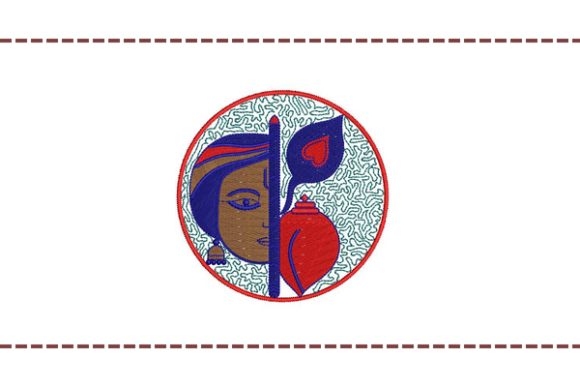
When I first loaded the Krishna embroidery file into my viewer, the immediate impression was one of serene elegance. It does not scream for attention with neon brightness or chaotic lines; instead, it invites the viewer to look closer. This is crucial for a craft fair environment where customers are often overwhelmed by visual noise. A design that offers a moment of calm stands out by contrast.
The aesthetic feels both traditional and modern. It avoids being overly rustic or strictly farmhouse, leaning instead toward a timeless decorative style. This versatility is a significant advantage. It means you are not limiting your customer base to just one niche. You can market this as a spiritual item, a piece of cultural art, or simply as a beautiful, cozy addition to home decor. For a small shop product, this flexibility allows for broader marketing angles without changing the core inventory.
Product Applications: Where Krishna Shines
The description suggests trying this design on decorative pillows, bedsheets, clothes, or home decor. However, from a practical production standpoint, some of these substrates are better than others. Let us break down where this design performs best for maximum sales potential.
- Tote Bag Design: This is arguably the strongest contender. A canvas tote provides a large, flat surface that showcases the details of the Krishna motif without distortion. It is a high-traffic craft fair product because it is useful, affordable, and acts as a walking advertisement for your brand.
- Apron Embroidery: An apron with this design transforms a utilitarian kitchen item into a giftable heirloom. The "cozy" feel mentioned in the description aligns perfectly with the domestic nature of an apron. It appeals to buyers looking for unique housewarming gifts.
- Tea Towel Embroidery: While popular, tea towels require careful handling. The fabric texture of linen or cotton can sometimes interfere with fine details. If the stitch density is too high, the towel may pucker. However, if executed well, it creates a premium feel that justifies a higher price point.
- Decorative Pillows: Pillow covers are excellent for showcasing larger versions of the design. They allow for richer thread colors and more intricate shading, enhancing the artistic quality of the piece.
- Embroidered Patch: Creating iron-on or sew-on patches is a fantastic way to utilize smaller hoop sizes. Patches are low-commitment purchases for customers, making them ideal impulse buys at your booth.
Production Practicality for the Small Shop Owner
For an Etsy seller or a weekend vendor, time is money. The viability of a digital embroidery file depends heavily on how easy it is to produce in batches. The Krishna design appears to be structured for repeatability. It does not seem to rely on excessively tiny lettering or fragile details that might break during washing or wear. This durability is essential for a finished product that needs to withstand real-world use.
Photography is another critical factor. This design photographs well because of its clear lines and balanced composition. When creating a printable mockup for your online listings, ensure you highlight the texture of the stitches. Buyers of handmade items want to see the tactile quality of the work. The contrast between the thread colors and the fabric background will determine how well the design pops in photos. Darker fabrics can make lighter threads stand out dramatically, while light fabrics offer a softer, more subtle look.
Careful-Use Notes and Technical Considerations
While the design is versatile, there are technical aspects to consider before you start stitching your entire inventory. Since the product description mentions it comes with multiple formats, you likely have options for different hoop sizes. However, always check the specific stitch count and density notes provided with the file.
Dense Stitch Areas: If the design has areas of heavy saturation, such as in the clothing or background elements of the Krishna figure, be mindful of fabric choice. Thick fabric like denim or canvas can handle high stitch density, but lightweight cotton may pucker. Using the right stabilizer is non-negotiable here. A cut-away stabilizer is often best for garments that will be washed frequently, while tear-away might suffice for decorative pillows that see less wear.
Curved Surfaces: If you plan to put this on caps, be cautious. Curved cap surfaces can distort designs that are too wide or have intricate horizontal lines. Test a sample on a cap before committing to a batch. The design might need to be scaled down or positioned carefully to maintain clarity.
Small Sizes: If you are creating small pouches or keychains, ensure the design remains legible. Tiny details can get lost if the design is shrunk too much. Always stitch a test on scrap fabric at the intended size to verify that the features of the Krishna figure remain distinct.
Enhancing Visual Appeal and Brand Consistency
Incorporating Krishna into your product line can strengthen your brand identity if you position it correctly. It adds a layer of cultural richness and spiritual depth to your offerings. For buyers interested in Religion and spirituality, this is not just a decoration; it is a meaningful symbol. This emotional connection drives buyer engagement and can lead to higher perceived value.
To maximize this, ensure your booth display reflects the same "cozy and artistic" vibe. Use natural materials like wood crates or woven baskets to display your embroidered items. Pair the Krishna tote bags with matching tea towels to create bundled offers. This strategy increases the average order value and helps move inventory faster.
Final Designer Verdict
Before you list this as a commercial embroidery product, take the necessary steps to validate its quality. Test the design on various fabric textures to see how the thread colors interact with the material. Check the spacing between elements to ensure no threads overlap unintentionally. Confirm the commercial licensing terms included with the digital embroidery file to ensure you are compliant when selling finished products.
The Krishna embroidery design is a strong candidate for craft fair success. It balances aesthetic appeal with production practicality. It is bold enough to be noticed from a distance but detailed enough to reward closer inspection. For the handmade shop owner looking to expand their range with meaningful, high-quality items, this design offers a reliable path to creating products that resonate with customers. Whether used on a simple tote bag or a luxurious pillow cover, it brings a touch of artistic serenity that is increasingly rare in the marketplace. Embrace the creative potential, respect the technical requirements, and let this design elevate your handmade collection.