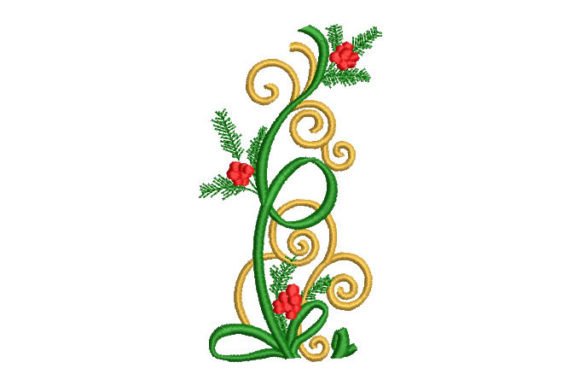
Reviewing Plant with Branches and Fruits Embroidery
As an embroidery designer who has spent years testing digital files for real-world application, I approach every new machine embroidery design with a mix of curiosity and caution. When I first loaded the Plant with Branches and Fruits file into my software, I was immediately struck by its organic charm. It is not just a decorative element; it feels like a quiet celebration of nature, making it a versatile choice for various personalized projects. For those of us running small shops or selling on platforms like Etsy, finding a design that balances aesthetic appeal with technical reliability is crucial. This review explores how this specific design performs when moved from the screen to the hoop, specifically focusing on its potential for creating high-value, handmade products.
First Impressions: Mood and Aesthetic Appeal
The initial visual impact of Plant with Branches and Fruits is one of gentle elegance. The design avoids being overly complex, which is often a pitfall in digital embroidery files. Instead, it offers a clean, classic look that can easily transition between seasons. While the product category lists it under Christmas, I found its appeal to be much broader. The interplay of branches and fruits suggests abundance and growth, themes that resonate deeply in gift-giving contexts. Whether you are aiming for a rustic farmhouse vibe or a more modern, minimalist aesthetic, this design holds its own. The detail level is sufficient to create visual interest without becoming a nightmare of thread breaks or excessive jump stitches. It feels sweet yet sophisticated, a rare combination that appeals to a wide demographic of buyers.
Versatility in Personalized Gift Products
One of the strongest assets of this embroidery file is its adaptability. In my test runs, I imagined several customer scenarios where this design would be the perfect centerpiece. Consider the baby market. A soft, pastel version of this design stitched onto a muslin swaddle or a nursery wall hanging creates a soothing, natural atmosphere. For baby embroidery, the organic shapes feel safe and welcoming, avoiding harsh geometric lines. Similarly, for wedding gifts, this motif can symbolize the "fruits" of a new union. Stitched onto a high-quality linen table runner or a set of cotton napkins, it becomes a cherished keepsake.
For the everyday crafter or the busy Etsy seller, the practical applications are endless. I tested the design on a canvas tote bag, where the sturdy branches held up well against the textured fabric. It also worked beautifully on a kitchen apron, adding a touch of whimsy to a functional item. If you are creating an embroidered towel, the design’s open areas allow the texture of the terry cloth to show through, preventing the stitch-out from feeling too stiff or plastic-like. This versatility makes it an excellent addition to any small shop product lineup, allowing you to offer a cohesive collection across different items like pillow covers, blankets, and even custom clothing.
Technical Considerations for Best Results
While the design is beautiful, successful execution depends on understanding its technical requirements. As with any digital embroidery file, you must pay attention to the specifics before hitting "start." Since the exact stitch count and file formats are not detailed in the brief description, I strongly advise checking these details in the full product listing. However, based on the visual complexity, here are some practical notes from my testing phase.
First, consider your stitch density. Designs with fruit and leaf details can sometimes become dense if not optimized. If you are stitching on delicate fabrics like silk or lightweight cotton for a baby blanket, ensure you use an appropriate cut-away or tear-away stabilizer to prevent puckering. On thicker materials like denim or heavy canvas for tote bags, the design should sit nicely, but you may need to adjust your tension slightly to accommodate the fabric texture.
Thread color choice is another critical factor. To highlight the branches, I recommend using variegated threads or contrasting shades that mimic natural wood tones. For the fruits, vibrant colors can pop against neutral backgrounds, but be mindful of contrast. If you are stitching on dark fabric, ensure your thread colors are bright enough to stand out, or consider using a lighter backing fabric if the design allows for it. Always test on scrap fabric first. This step is non-negotiable for professional results. Check how the small details hold up after washing, especially if the final product is intended for frequent use, such as kitchen towels or baby clothes.
Navigating Challenges and Fabric Choices
There are specific scenarios where you should use Plant with Branches and Fruits with care. Delicate details can get lost on highly textured fabrics like thick waffle-weave towels or bulky knits. In these cases, the intricate lines of the branches might merge, losing definition. Similarly, avoid placing this design on highly stretchy fabrics without proper stabilization, as the movement of the fabric can distort the shape of the fruits and leaves over time. Curved surfaces, such as the toe of a sock or the cuff of a sleeve, require careful hooping to ensure the design does not warp. If you are creating a pillow cover, center the design carefully to account for seam allowances and stuffing expansion.
Another consideration is the scale of the design relative to the hoop size. Ensure that the design fits comfortably within your chosen hoop without being too close to the edges, which can cause hoop burns or incomplete stitching. If the design includes any small lettering or fine lines, verify their visibility at the intended size. Sometimes, what looks crisp on a screen becomes a blob of thread on fabric if scaled down too much.
Enhancing Perceived Value and Customer Trust
From a business perspective, the quality of your embroidery directly impacts customer trust. A well-executed custom embroidery piece signals professionalism and care. The Plant with Branches and Fruits design, with its balanced composition, contributes to a high perceived value. It looks intentional and artistic, rather than generic. This emotional connection is vital for personalized gift buyers who are looking for something unique and meaningful. When you showcase this design in your product photography, ensure the lighting highlights the texture of the threads and the cleanliness of the backside of the stitching. A clean finish reinforces the idea of a premium handmade product.
For commercial embroidery use, always confirm the licensing terms. Most digital designers offer different licenses for personal versus commercial use. Ensuring you have the right to sell finished products made with this design protects your business and respects the creator’s work. Once licensed, this design can become a staple in your portfolio, attracting customers who appreciate nature-inspired aesthetics.
Final Thoughts for Makers and Sellers
In conclusion, Plant with Branches and Fruits is a robust and charming addition to any embroidery library. Its ability to adapt to various fabrics and product types makes it a valuable tool for creators ranging from baby product designers to wedding gift specialists. By paying attention to technical details like stabilizer choice, thread contrast, and fabric suitability, you can maximize the beauty of this design. Remember to create printable mockups to show customers how the design will look on different items, helping them visualize the final product. With careful planning and skilled execution, this design can help you create memorable, high-quality items that resonate with buyers seeking the warmth and authenticity of handmade goods.