White Poodle Embroidery Design Review for Business
As an embroidery designer who has spent years digitizing and testing files for commercial use, I approach every new machine embroidery design with a critical eye. It is not just about whether the image looks cute on a screen; it is about how that design translates into thread on fabric, how it holds up in the wash, and ultimately, how it serves the brand identity of the small business owner purchasing it. Today, I am reviewing White Poodle, a design created specifically for poodle enthusiasts and dog lovers. This review focuses on its viability for small business merchandise, branded patches, and custom apparel applications.
First Impressions and Visual Personality
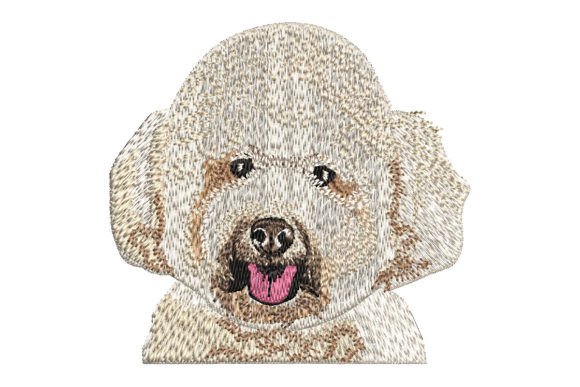
The first thing you notice about White Poodle is its intent to bring the animal to life through stitch work. The description notes that the colors are based on ISACORD 40, a standard in the industry known for its vibrant and consistent sheen. This suggests a design that aims for a polished, professional finish rather than a rustic or overly abstract look. For a boutique or a pet-focused brand, this level of detail signals quality. The design feels friendly yet elegant, striking a balance between playful charm and premium presentation. It does not scream "novelty item" but rather suggests a thoughtful addition to a curated product line.
However, because the primary subject is white, the visual impact relies heavily on contrast. In my experience, white thread on light fabrics can get lost unless there is significant texture or underlay stitching to create dimension. This design must be evaluated not just for its shape, but for how well it stands out against various background colors. For businesses selling handmade products, this visual clarity is crucial for customer engagement and immediate recognition.
Real-World Applications for Small Business Merch
When considering where to place White Poodle, we must look at the typical inventory of a modern creative studio or retail shop. Here is how this design performs across different mediums:
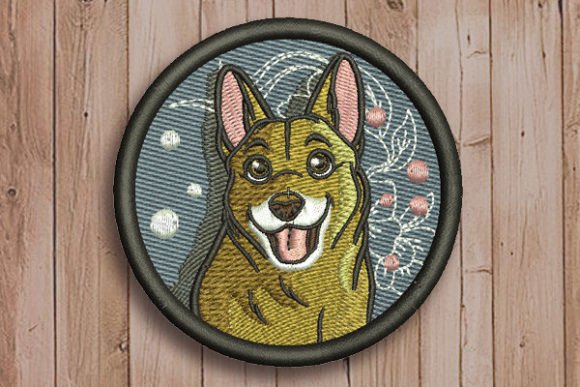
- Embroidered Patches: This is perhaps the strongest use case. A white poodle stitched onto a contrasting backing—such as navy, black, or forest green—creates a striking embroidered patch. These can be sold as standalone accessories or used to brand tote bags and jackets. The defined edges of a poodle’s groomed coat translate well to the satin stitch borders typically used in patch making.
- Custom Apparel and Uniforms: For pet groomers, veterinary clinics, or dog walking services, this design works exceptionally well as a chest logo accent on work shirts or polos. It adds a touch of personality to staff uniforms without being overwhelming. The professionalism of the ISACORD color palette ensures it looks cohesive with corporate branding.
- Apron Embroidery: Bakeries, florists, and craft studios often use aprons as both protective gear and marketing tools. Stitching White Poodle on the bib of a high-quality canvas apron creates a memorable handmade product feel. It appeals to customers who value artisanal touches and attention to detail.
- Cap Embroidery: Placing this design on the front of a baseball cap requires careful consideration of size. If the design is too detailed, it may not scale down well for the curved surface of a cap front. However, if used as a side-panel accent or on a dad hat with a larger front panel, it can serve as a subtle nod to dog lovers.
- Tote Bag Design: Canvas tote bags are a staple for Etsy sellers and boutique owners. A large-scale version of this design can serve as the main graphic element. The texture of the canvas complements the thread, giving the finished product a tactile, high-value appearance.
Technical Considerations and Production Notes
While the aesthetic appeal is strong, technical execution is where many small business owners face challenges. The product description states that the colors are based on ISACORD 40 and that you must convert them if they are not available in your area. This is a critical point. Thread brands vary in shade and thickness. Before running a full production batch, you must map the ISACORD colors to your specific thread brand, whether it is Madeira, Robison-Anton, or Sulky. Failure to do so can result in a muddy or inaccurate representation of the poodle.
Furthermore, the description mentions "All the files," but it does not specify exact stitch counts, hoop sizes, or file formats. As a professional, I advise you to check these details immediately upon download. You need to know if the design fits your standard 4x4 or 5x7 hoop, or if it requires a larger frame. Understanding the stitch density is also vital. High-density designs can cause puckering on lightweight fabrics, while low-density designs may look sparse on heavy materials like denim or canvas.
Here are my practical notes for testing White Poodle before commercial use:
- Test on Real Fabric: Do not rely solely on digital simulations. Stitch the design on the actual material you plan to sell. Check for registration issues, especially where white thread meets other colors.
- Use Proper Stabilizer: White thread shows shadows and gaps more easily than darker threads. Use a cut-away stabilizer for stretchy fabrics like t-shirts to prevent distortion, and a tear-away for stable woven fabrics like twill or canvas.
- Check Contrast: Test the design on dark fabrics to ensure the white pops. If you plan to stitch it on light gray or pastel backgrounds, consider adding a satin stitch border in a contrasting color to define the edges.
- Verify Commercial Licensing: Before using this digital embroidery file for any commercial embroidery projects, confirm the license terms. Ensure you have the right to sell physical items made with this design.
- Create a Printable Mockup: Use the design assets to create a printable mockup for client approval or social media previews. This helps manage customer expectations regarding size and placement.
Impact on Brand Identity and Customer Trust
In the world of small business merch, consistency is key. Using a high-quality design like White Poodle contributes to a cohesive brand identity. When customers see a well-executed embroidered logo on a tote bag or a cap, it builds trust. It signals that the business cares about quality and detail. For niche markets, such as dog lovers, seeing a breed-specific design creates an emotional connection. It transforms a generic item into a personalized statement piece.
Moreover, embroidered items have a perceived higher value than printed ones. The texture and durability of embroidery justify a higher price point. By incorporating this design into your product line, you are not just selling a picture of a dog; you are selling a premium, tactile experience. This enhances buyer engagement and encourages repeat purchases, as customers associate your brand with quality craftsmanship.
Where to Use Caution
Despite its strengths, White Poodle is not suitable for every application. Avoid using it on highly textured fabrics where fine details might get lost. Be cautious with very small patch sizes, as the intricate details of the poodle’s face and fur may merge into a blob if scaled down too far. Additionally, if your business relies on fast-turnaround items that require frequent industrial washing, ensure that the stitch density is sufficient to withstand wear and tear without unraveling.
In conclusion, White Poodle is a versatile and appealing choice for businesses targeting dog lovers and those seeking to add a touch of elegance to their merchandise. With proper testing, color conversion, and strategic placement, it can become a standout asset in your design assets library. Whether used for apron embroidery, branded patches, or custom caps, it offers a professional finish that aligns with the high standards of modern handmade brands. Always prioritize testing and licensing verification to ensure a smooth production process and a successful launch.