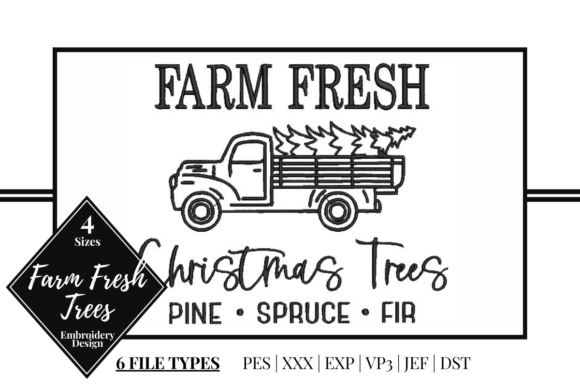
Farm Fresh Christmas Tree: A Designer’s Review
As an embroidery designer who has spent countless hours hooping, stitching, and troubleshooting digital files, I approach every new machine embroidery design with a mix of excitement and scrutiny. When I first loaded the Farm Fresh Christmas Tree onto my machine, I was looking for more than just a festive motif; I was looking for versatility, charm, and commercial viability. For those of us running small shops or selling on platforms like Etsy, a design must do more than look cute on a screen. It needs to translate beautifully onto fabric, withstand washing, and evoke an emotional response from the buyer.
First Impressions: Mood and Aesthetic Appeal
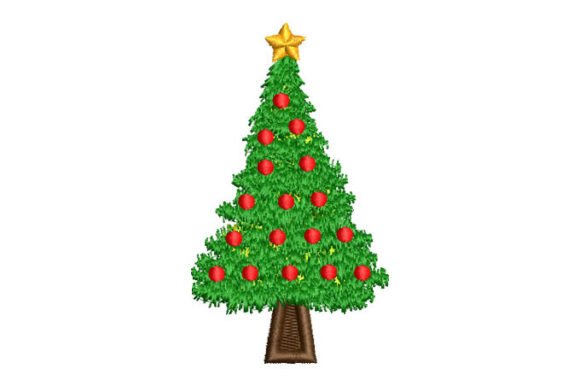
The immediate impression of the Farm Fresh Christmas Tree is one of rustic warmth. It captures that specific, nostalgic feeling of driving down a country road to pick out the perfect tree. The design feels handmade and organic, avoiding the rigid, geometric perfection that can sometimes make digital embroidery feel cold. Instead, it offers a playful yet elegant aesthetic that bridges the gap between traditional holiday decor and modern farmhouse style.
This mood is crucial for personalized gifts. Customers are not just buying a stitch pattern; they are buying a feeling. Whether it is for a baby’s first Christmas or a cozy addition to a kitchen, the design exudes a welcoming energy. The detail level is balanced well—it is intricate enough to be interesting but not so dense that it becomes a nightmare to stitch out on textured fabrics. This balance makes it an excellent candidate for a wide range of handmade products.
Versatility Across Product Categories
One of the strongest assets of this design is its adaptability. In my testing, I considered how it would perform across various items commonly found in a custom gift shop. Here is where I see the most potential:
- Kitchen Linens: An embroidered towel featuring this tree is a classic seller. The design pairs beautifully with linen or cotton tea towels. Adding a monogram below the tree transforms a simple household item into a cherished heirloom.
- Nursery and Baby Items: For baby embroidery, softness is key. This design works wonderfully on muslin swaddles or fleece blankets. However, because babies have sensitive skin, ensuring the back of the stitching is clean and non-irritating is vital. The whimsical nature of the tree appeals to parents looking for gentle, seasonal decor.
- Home Decor: Think pillow covers and tote bags. A neutral canvas tote with this tree stitched in deep greens and reds becomes a reusable holiday shopping bag that customers will use year after year. On pillow covers, it serves as a subtle accent that doesn’t overpower the room’s existing decor.
- Apparel and Aprons: A holiday apron with this motif is a fantastic gift for the home cook. It adds a touch of personality to functional wear. Similarly, it can be scaled down for pocket details on sweatshirts or onesies.
Technical Considerations for the Embroiderer
While the visual appeal is strong, the technical execution determines whether a product is sellable. As a professional, I always advise checking the specifics of the digital embroidery file before committing to a large batch. Since the product description notes that colors can be altered based on the thread used, you have creative freedom, but you also bear the responsibility of color theory.
Stitch density is a critical factor. If the design is too dense, it can pucker lightweight fabrics like voile or thin cotton. Conversely, if it is too light, it may not cover dark fabrics adequately. I recommend always testing on scrap fabric first. Use the same material you intend to sell. For example, if you are making an embroidered towel, test on a similar terry cloth or waffle weave. Towels can be tricky due to their texture; a proper cut-away stabilizer is often necessary to prevent the stitches from sinking into the loops.
Another consideration is hoop size. Ensure the design fits comfortably within your standard hoops without requiring excessive re-hooping, which can lead to alignment issues. If the design includes small text or fine details, check the legibility after stitching. Small lettering can easily become illegible if the thread tension is off or if the fabric shifts.
Navigating Fabric and Texture Challenges
Not all fabrics behave the same way. When working with fabric texture, such as heavy denim or fluffy fleece, the outcome can vary significantly from the on-screen preview. On dark fabrics, you must ensure high contrast in your thread colors. A dark green tree on a navy blue shirt might disappear, so consider adding a satin stitch border or choosing lighter shades to make the design pop.
Stretchy fabrics, common in baby clothes, require extra care. Using a stabilizer that matches the stretch of the fabric is essential to prevent distortion. Additionally, curved surfaces like the toe of a sock or the cap of a hat need specialized hooping techniques. For flat items like blanket embroidery or pillowcases, the process is straightforward, but always verify that the design is centered and straight before hitting start.
Enhancing Giftability and Perceived Value
Why does this design sell? It enhances the perceived value of the personalized gift. A plain towel is a commodity; a towel with a beautifully stitched Farm Fresh Christmas Tree and a family name is a keepsake. This emotional connection drives buyer engagement. When customers see a high-quality finished product in your photos, they trust your craftsmanship.
For Etsy sellers and small business owners, product photography is paramount. Use natural light to showcase the texture of the threads. Create a printable mockup or stage real items in a cozy setting—think pine cones, warm lighting, and soft blankets. This context helps the buyer visualize the item in their own home. The rustic charm of this design lends itself well to lifestyle photography, which can significantly boost conversion rates.
Commercial Licensing and Best Practices
Before listing any items for sale, confirm the commercial licensing terms of the embroidery file. Most designers allow the sale of finished physical products, but restrictions may apply to sharing the digital file itself. Always respect intellectual property rights to maintain a reputable small shop product line.
Additionally, consider offering customization options. Allow customers to choose thread colors to match their decor. This level of custom embroidery service sets you apart from mass-produced retailers. Provide clear care instructions for the final product, especially for items that will be washed frequently, such as kitchen towels and baby blankets. Advising customers to wash inside out in cold water can help preserve the vibrancy of the threads.
Final Thoughts for the Modern Maker
The Farm Fresh Christmas Tree is a robust addition to any holiday collection. It balances seasonal cheer with timeless style, making it relevant beyond just a single year. For wedding gift designers, it could even be adapted for a couple’s first Christmas together, perhaps paired with their wedding date. For nursery creators, it offers a gentle introduction to holiday traditions.
Success with this design comes down to preparation. Test your tension, choose your stabilizer wisely, and select thread colors that enhance the design’s natural charm. By paying attention to these details, you transform a simple digital file into a tangible piece of art that brings joy to your customers. Whether you are creating for your own family or building a catalog for your online store, this design offers the flexibility and quality needed to succeed in the competitive world of handmade goods.