Smiling Santa Claus Face: A Designer’s Review
As an embroidery designer who has spent years digitizing and testing files for commercial use, I approach every new machine embroidery design with a critical eye. It is not enough for a motif to look cute on a screen; it must perform flawlessly under the needle, hold up to washing, and elevate the brand identity of the small business using it. Recently, I evaluated the Smiling Santa Claus Face for potential integration into holiday merchandise lines. This review focuses on its viability for branded patches, custom apparel, and small business merch rather than just its decorative appeal.
First Impressions and Visual Personality
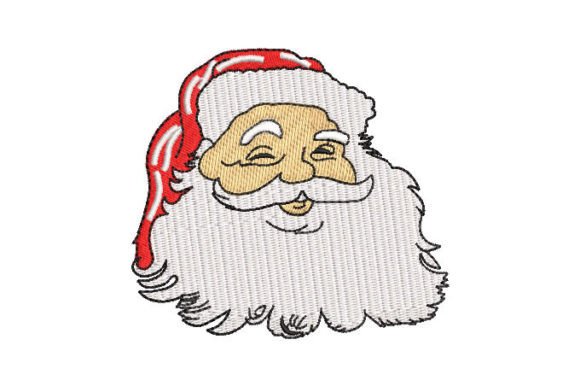
The immediate impression of the Smiling Santa Claus Face is one of approachable warmth. In the crowded market of Christmas Embroidery, many designs lean too heavily into complex details that get lost in production. This design, however, strikes a balance between classic charm and modern simplicity. The smiling expression conveys friendliness, which is crucial for customer-facing businesses like bakeries, boutiques, and creative studios. It feels less like a generic clipart image and more like a deliberate brand asset. The lines appear clean, suggesting that the digitizer prioritized stitch flow, which is essential for maintaining a professional finish on the finished product.
For handmade brands and Etsy sellers, visual consistency is key. This design does not scream "cheap novelty." Instead, it offers a polished look that can sit comfortably alongside other high-quality design assets. Whether you are aiming for a rustic, handmade aesthetic or a sleek, premium presentation, the versatility of this face allows it to adapt. It avoids excessive intricacy, which often leads to thread breaks or puckering, making it a reliable choice for high-volume commercial embroidery projects.
Real-World Applications for Small Businesses
When considering where to place this design, I immediately thought beyond the standard t-shirt. For small business owners, maximizing the utility of a single digital embroidery file is vital for ROI. Here is how I envision the Smiling Santa Claus Face performing in various commercial contexts:
- Embroidered Patches: This is perhaps the strongest application. A well-digitized face works beautifully as a standalone patch. These can be sold as add-ons, used to seal packaging, or ironed onto denim jackets. The compact nature of a face design makes it ideal for small to medium-sized patches without losing detail.
- Staff Uniforms and Aprons: For cafés, florists, or pet brands launching holiday specials, apron embroidery adds a touch of professionalism. Placing the smiling face on the chest pocket area creates a welcoming vibe for staff interacting with customers. It humanizes the brand and signals seasonal cheer without being overwhelming.
- Cap Embroidery: Front-panel cap designs require robust digitizing. Because this design focuses on the face, it fits well within the curved constraints of a baseball cap. It serves as a subtle yet recognizable accent that drives brand recognition.
- Tote Bag Design: Canvas tote bags are staples for boutique merchandise. A centered or corner-placed Santa face can turn a basic bag into a desirable holiday gift item. The design’s simplicity ensures it remains visible even on textured canvas fabrics.
- Product Packaging Accents: Imagine a small embroidered tag attached to a handmade product. Using this design on a small fabric label adds perceived value, transforming a simple item into a premium handmade product ready for gifting.
Technical Considerations and Production Notes
While the aesthetic is strong, technical execution determines success. As a designer, I always advise checking specific file details before committing to a large run. The product description notes that this Smiling Santa Claus Face Embroidery Design comes with multiple embroider options, which is a significant advantage. However, you must verify the hoop size compatibility with your machine. Attempting to force a design into a hoop that is too small will result in distortion.
Stitch density is another critical factor. For items that undergo frequent washing, such as staff uniforms or baby clothes, lower stitch density is preferable to prevent stiffness and puckering. If this design has high density, consider using a cut-away stabilizer for durability. Conversely, for woven fabrics like tote bags or caps, a tear-away stabilizer might suffice, but testing is non-negotiable.
Fabric texture also plays a role. On fluffy towels or thick fleece, the fine details of the eyes or smile might get swallowed by the pile. In such cases, I recommend using a water-soluble topping to keep the stitches on the surface. For dark uniforms, ensure you have a version of the file optimized for contrast, or plan your thread colors carefully. A white beard on a navy apron pops, but a red suit on a red shirt will vanish.
Strategic Branding and Customer Trust
Using a consistent motif like the Smiling Santa Claus Face across different touchpoints strengthens brand identity. When a customer sees the same high-quality embroidery on their tote bag, their barista’s apron, and their packaging tag, it builds trust. It signals that the business pays attention to detail. This visual consistency enhances buyer engagement and encourages social sharing, as customers are more likely to post photos of aesthetically pleasing, well-branded merchandise.
Furthermore, offering custom apparel with this design can increase average order value. Customers often seek unique, localized holiday gifts. By positioning this design as part of a limited-edition collection, you create urgency and exclusivity. It transforms a standard embroidery file into a strategic marketing tool.
Practical Steps Before Production
Before you load this design into your machine for a client order or personal inventory, follow these practical steps to ensure quality:
- Test in Black and White: Print or stitch a monochrome version first. This helps you evaluate the shape and spacing without the distraction of color. If the face looks unbalanced in black and white, it will not look right in color.
- Check Small Patch Sizes: Stitch out the smallest available size. Ensure the eyes and mouth remain distinct. If details merge, the design may not be suitable for tiny labels or jewelry patches.
- Review Thread Color Contrast: Select threads that offer high contrast against your base fabric. Use a color chart to preview the combination before stitching.
- Confirm Commercial Licensing: Always verify the license terms associated with the digital embroidery file. Ensure you have the rights to use it for commercial embroidery and sales.
- Create a Printable Mockup: Before stitching on expensive garments, create a digital printable mockup to show clients. This manages expectations and allows for approval before production begins.
- Test on Real Fabric: Never skip the test stitch on the actual material you intend to use. Fabric tension and texture vary widely, and a test run saves you from ruining final products.
In conclusion, the Smiling Santa Claus Face is a versatile and professional addition to any holiday design library. Its strength lies in its adaptability across various mediums, from embroidered patches to custom apparel. By paying attention to technical details like stabilizer choice and stitch density, small business owners can leverage this design to create high-value, branded merchandise that resonates with customers. It is not just a festive icon; it is a tool for building brand loyalty and enhancing the perceived quality of your handmade products.