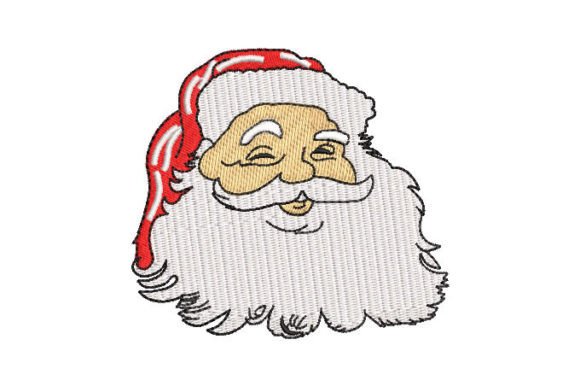
Gingerbread Santa: A Designer’s Holiday Review
As an embroidery designer who has spent countless hours digitizing and testing seasonal motifs, I approach every new machine embroidery design with a critical eye. It is not just about whether the image looks cute on a screen; it is about how it translates into thread, how it behaves on fabric, and ultimately, how it performs in the hands of a customer during the high-stakes holiday shopping season. This year, I took a close look at the Gingerbread Santa design, evaluating its potential for creators building their winter collections. For Etsy sellers, small shop owners, and handmade gift makers, understanding the nuances of this piece is essential for maximizing sales and minimizing production headaches.
First Impressions: Capturing the Seasonal Mood
The immediate appeal of Gingerbread Santa lies in its ability to blend nostalgia with modern whimsy. When I first loaded the preview, I was struck by the cozy, rustic charm that defines successful holiday embroidery. The design does not strive for hyper-realism; instead, it leans into a playful, storybook aesthetic that resonates deeply with buyers looking for comfort and joy. The visual tone is warm and inviting, evoking memories of baking cookies and decorating trees. This emotional connection is vital. In a market saturated with generic snowflakes and standard red-and-green motifs, a character-driven design like this stands out because it tells a mini-story.
From a decorative standpoint, the balance between detail and simplicity is well-executed. It feels festive without being cluttered, which is a crucial consideration for seasonal embroidery that needs to remain legible from a distance. Whether viewed on a social media feed or hanging in a craft fair booth, the silhouette is distinct. This clarity ensures that the design retains its impact even when scaled down for smaller items like ornaments or baby accessories.
Strategic Product Applications for Maximum Sales
The versatility of Gingerbread Santa makes it a strong candidate for a wide range of products. As I planned my own hypothetical seasonal drop, I identified several key categories where this design would thrive. For apparel, sweatshirt embroidery is perhaps the most lucrative application. The sturdy fabric of a crewneck or hoodie provides an excellent canvas for the stitch work, allowing the texture of the thread to pop against the fleece. This creates a premium feel that justifies a higher price point for a finished product.
Beyond clothing, home decor offers immense potential. Imagine this motif centered on a linen pillow cover or embroidered onto heavy cotton kitchen towel embroidery projects. These items are perennial favorites for handmade gift seekers who want to add a touch of personality to their holiday hosting. Additionally, the design works beautifully as an embroidered patch. Patches are low-risk, high-volume items that allow customers to customize their own jackets or bags, making them ideal for impulse buys at checkout.
For those focusing on accessories, a tote bag design featuring this character can serve as a reusable, eco-friendly alternative to wrapping paper or gift bags. The key here is placement. Centering the design on a canvas tote creates a bold statement piece, while placing it on the corner of a napkin set adds a subtle, elegant touch. By diversifying the product line, you capture different segments of the market, from those seeking large statement pieces to those wanting small, affordable tokens of the season.
Navigating Technical Challenges and Fabric Choices
While the aesthetic is strong, practical execution requires attention to detail. One must consider where Gingerbread Santa should be used carefully. For instance, applying this design to dark fabric requires strategic planning. If the original color palette relies heavily on light browns and creams for the gingerbread effect, these threads may get lost on black or navy backgrounds. I recommend testing thread colors on both light and dark swatches before committing to a full production run. Sometimes, adding a satin stitch border or adjusting the underlay can help the design stand out against darker textiles.
Another critical factor is stitch density. High-density designs can cause puckering, especially on stretchy garments or thin materials. If you are embroidering on a lightweight t-shirt or a delicate baby onesie, ensure you are using the appropriate stabilizer. A cut-away stabilizer is often safer for garments that will undergo repeated washing, as it provides long-term support without tearing. Conversely, for stable fabrics like denim or canvas tote bags, a tear-away might suffice, but always test first.
Hoop size is another variable to check. Since the product description notes that this digital embroidery file comes in multiple formats, verify that the specific version you purchase fits your machine’s maximum hoop capacity. Trying to force a large design into a small hoop can result in distorted proportions or truncated edges. Always review the small details after stitching a test sample. Look for thread breaks in tight corners or areas where the gingerbread texture might become muddy if the stitches are too dense.
Enhancing Brand Consistency and Customer Trust
In the context of commercial embroidery, consistency is king. Using a cohesive design like Gingerbread Santa across your product line helps build brand recognition. When a customer sees the same charming character on a mug wrap, a shirt, and a ornament, it creates a curated collection feel. This perception of effort and thoughtfulness increases customer trust and perceived value. It signals that you are not just selling random items, but offering a complete holiday experience.
To leverage this, create realistic mockups that show the design in situ. A printable mockup or a high-quality photo of the embroidered item on a styled table setting can significantly boost engagement on platforms like Instagram and Pinterest. Show the texture of the thread, the drape of the fabric, and the warmth of the scene. These visuals help bridge the gap between the digital file and the physical personalized gift the customer desires.
Final Verdict for the Holiday Season
Ultimately, Gingerbread Santa is a robust addition to any Christmas and Embroidery focused catalog. Its strength lies in its emotional resonance and technical adaptability. For the Etsy seller or small business owner, it offers a reliable way to tap into the nostalgic holiday market. However, success depends on execution. Take the time to understand the hoop size requirements, respect the fabric texture limitations, and invest in proper stabilization.
Before launching your campaign, confirm the commercial licensing terms associated with your purchase. While the design is described as high-quality and suitable for various products, ensuring you have the right to sell finished goods is non-negotiable for professional integrity. Once those boxes are checked, this design has the potential to become a bestseller. It captures the spirit of the season in a way that is both commercially viable and artistically satisfying, making it a worthy centerpiece for your winter product drop.